Maine Garden Ideas
  • Home
  • Garden Thyme Blog
  • Themes
    • Butterfly Gardens
    • Moon Gardens
    • Sensory Gardens
    • All About Fairies
  • Flowers
    • Annual Flowers >
      • Alyssum
      • Cosmos
      • Geraniums
      • Marigolds
      • Morning Glories
      • Nasturtiums
      • Petunias >
        • Reviving Petunias
      • Snapdragons
      • Sunflowers
      • Sweet Peas
      • Zinnias
    • Perennial Flowers >
      • Golden Glow (Rudbeckia laciniata ‘Hortensia’)
      • Coneflowers
      • Lupines
      • Purple Coneflower (Echinacea Purpurea)
    • Maine Wildflowers
  • Veggies
    • Warm Season Vegetables >
      • About Beans >
        • Growing Beans
        • Growing Pole Beans
        • How to Make a Teepee Trellis
      • About Corn >
        • Growing Corn
        • What is Baby Corn, anyway?
        • Can you grow corn in containers?
      • Cucumbers >
        • Grow a cucumber in a bottle
        • Growing Pickling Cucumbers
        • Growing cucamelons (Mexican Gherkin)
        • Why do cucumbers blossom but fail to set fruit?
        • Trellising Cucumbers
        • Making Cucumber Relish
        • Powdery Mildew on Cucumbers
      • Melons
      • Peppers >
        • Growing Peppers
      • Squash >
        • Growing Zucchini
        • Spaghetti Squash
      • Tomatoes >
        • How to Harden Off Tomato Plants
        • How (and when) to Prune Tomatoes
        • Magnesium Sulfate (Epsom Salt) for Tomatoes
        • Blossom End Rot in Tomatoes
        • Growing Cherry Tomatoes in Hanging Baskets
        • 4 Best Tomatoes for Short Seasons - Early Tomatoes
        • 5 Early Maturing Tomatoes for Short Season Gardening
        • How to Ripen Green Tomatoes
        • How to Make Sun-Dried Tomatoes at Home
        • How to Grow a Pomato Plant
    • Cool Season Vegetables >
      • Cole Crops
      • Greens >
        • How to Grow Spinach
        • How to Grow Malabar Spinach
        • How to Grow Swiss Chard
        • Harvesting and Cooking Beet Greens
        • How to Grow Microgreens
      • Onions & Garlic >
        • How to Grow Garlic
        • How to Grow Onions
      • Peas >
        • Growing Garden (shelling) Peas
        • Growing Sugar Snap Peas
      • Potatoes >
        • How to Grow Potatoes in Containers
        • How to Grow Potatoes in Hay Bales
      • Root Crops >
        • Growing Beets
        • How to Grow Carrots
        • Turnips vs Rutabagas
  • Herbs
    • Growing Basil
    • Growing Chives
    • Growing Lavender
    • Herbal Tea Garden
    • How to Grow a Culinary Herb Garden
    • How to Grow Herbs in Sponges
    • Colonial Herb Garden - Classroom Project
    • Herbed Butter
    • Making Herbed Oils
  • Gardening Basics
    • Seed starting on a budget
    • Seed Starting Basics
    • Grafting Basics
    • Soil >
      • Starting a New Garden
      • How to Prepare Soil
      • How to Test Soil Drainage
      • What Type of Soil Do You Have
      • Soil Mix Recipe for Containers
      • How to Make Compost Tea
      • How to Use Mulch
  • Garden Pests
    • How to Control Japanese Beetles
    • How to Control Blister Beetles
    • How to Get Rid of Colorado Potato Beetles
  • Birds
    • Hummingbirds >
      • DIY Hummingbird Feeders from Recycled Bottles
      • Annuals for Hummingbird Gardens
      • Perennials for Hummingbird Gardens
    • About Birdseed
    • Choosing a Birdfeeder
  • Fiddleheads and Fairies
  • About Us
  • Contact Us
  • How to Marinate Roasted Vegetables

How to Grow and Care for Peppers
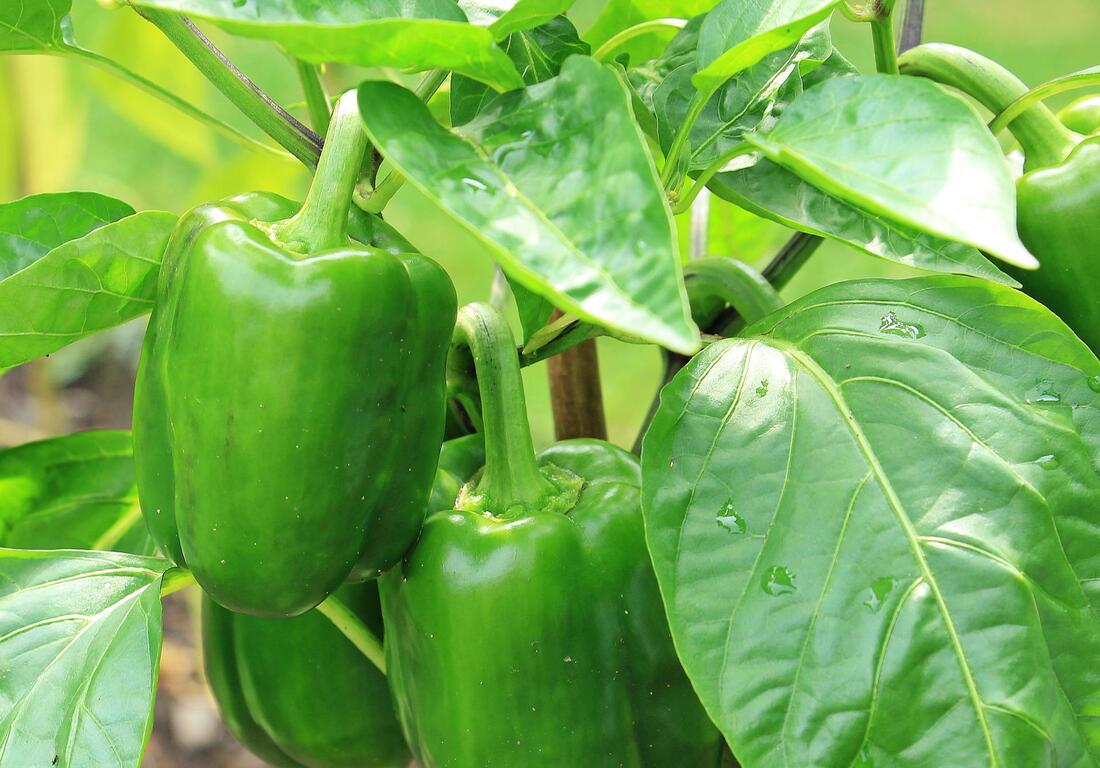
green pepper plant
Green Peppers
Northern gardens with short cool summers aren't ideal for growing peppers, but it can be done. The trick is doing what you know works and not what gardening experts who have never stepped foot in your area tell you should work.

Before I continue, let me say that I have the utmost respect for horticulturists who have devoted their lives to providing gardeners with useful information. Extension offices such as Cornell, the University of Illinois, and Clemson University provide valuable resources for gardeners, but there are times when their advice simply may not work in your  Maine garden. Growing peppers may be one of those times.

What kind of soil do peppers need?

Peppers prefer sandy, loamy soil with a pH between 6.0 and 7.0. It is vital the soil drains well and does not contain too much clay particles. The goal is to keep the soil moist, but not soggy. Soils high in clay may retain too much water leading to root rot.

For peppers grown in buckets a mixture of one part garden loam or all-purpose potting soil, one part compost or well-rotted manure, and one part peat moss works well. You can add some perlite to  the mixture to lighten it and help promote good drainage if preferred.

Do peppers need a lot of sunlight?

Peppers do best in full sun for 6 to 8 hours a day, but will tolerate full-day sun. Too little sunlight will inhibit the growth of your peppers. Plant them in a sunny location that gets at least 6 hours of direct sunlight a day.

How far apart should you plant peppers?

Many resources state you should plant peppers 18 to 24 inches apart. From my experience with growing peppers in my Maine garden, they do better when planted closer together.  Because the season is short in northern gardens and temperatures typically remain cool until mid to late summer, peppers do not generally reach their expected height at maturity.

I find peppers do best if planted close enough so their foliage touches when they are mature. In my garden, spacing them 8 to 10 inches apart is ideal. Group your peppers in clusters of three to make an attractive planting.

How much water do peppers need?

Peppers need an inch of rain a week and do best in evenly moist soil. Water your peppers deeply once or twice a week or whenever the soil feels dry 1 inch below the surface. It is essential to water your peppers enough to prevent wilting, says AgriLife Extension. Wilting in peppers can weaken the plants and reduce both yield and quality of the fruit.

​You may need to water peppers in buckets or containers every day during hot, dry spells in the summer. Always check the moisture level in the soil and water them accordingly.

How do you fertilize peppers?

Fertilize your peppers with 10-10-10 fertilizer when you transplant the seedlings in the spring. Sprinkle 2 tablespoons of fertilzer in the planting hole and mix it in with the existing soil.

Fertilize your peppers again when they are ready to set fruit. Peppers grown in containers or buckets benefit from water-soluble fertilizer applyed every 10 to 14 days.

Can you grow peppers in buckets?

Many gardeners find success in growing peppers in 5-gallon buckets. Plant 3 pepper plants per bucket and place them in a sunny location. Placing the buckets near the foundation of your home is an excellent way to give these heat-loving plants a boost.
Copyright © 2014 Nannette Richford


  • Home
  • Garden Thyme Blog
  • Themes
    • Butterfly Gardens
    • Moon Gardens
    • Sensory Gardens
    • All About Fairies
  • Flowers
    • Annual Flowers >
      • Alyssum
      • Cosmos
      • Geraniums
      • Marigolds
      • Morning Glories
      • Nasturtiums
      • Petunias >
        • Reviving Petunias
      • Snapdragons
      • Sunflowers
      • Sweet Peas
      • Zinnias
    • Perennial Flowers >
      • Golden Glow (Rudbeckia laciniata ‘Hortensia’)
      • Coneflowers
      • Lupines
      • Purple Coneflower (Echinacea Purpurea)
    • Maine Wildflowers
  • Veggies
    • Warm Season Vegetables >
      • About Beans >
        • Growing Beans
        • Growing Pole Beans
        • How to Make a Teepee Trellis
      • About Corn >
        • Growing Corn
        • What is Baby Corn, anyway?
        • Can you grow corn in containers?
      • Cucumbers >
        • Grow a cucumber in a bottle
        • Growing Pickling Cucumbers
        • Growing cucamelons (Mexican Gherkin)
        • Why do cucumbers blossom but fail to set fruit?
        • Trellising Cucumbers
        • Making Cucumber Relish
        • Powdery Mildew on Cucumbers
      • Melons
      • Peppers >
        • Growing Peppers
      • Squash >
        • Growing Zucchini
        • Spaghetti Squash
      • Tomatoes >
        • How to Harden Off Tomato Plants
        • How (and when) to Prune Tomatoes
        • Magnesium Sulfate (Epsom Salt) for Tomatoes
        • Blossom End Rot in Tomatoes
        • Growing Cherry Tomatoes in Hanging Baskets
        • 4 Best Tomatoes for Short Seasons - Early Tomatoes
        • 5 Early Maturing Tomatoes for Short Season Gardening
        • How to Ripen Green Tomatoes
        • How to Make Sun-Dried Tomatoes at Home
        • How to Grow a Pomato Plant
    • Cool Season Vegetables >
      • Cole Crops
      • Greens >
        • How to Grow Spinach
        • How to Grow Malabar Spinach
        • How to Grow Swiss Chard
        • Harvesting and Cooking Beet Greens
        • How to Grow Microgreens
      • Onions & Garlic >
        • How to Grow Garlic
        • How to Grow Onions
      • Peas >
        • Growing Garden (shelling) Peas
        • Growing Sugar Snap Peas
      • Potatoes >
        • How to Grow Potatoes in Containers
        • How to Grow Potatoes in Hay Bales
      • Root Crops >
        • Growing Beets
        • How to Grow Carrots
        • Turnips vs Rutabagas
  • Herbs
    • Growing Basil
    • Growing Chives
    • Growing Lavender
    • Herbal Tea Garden
    • How to Grow a Culinary Herb Garden
    • How to Grow Herbs in Sponges
    • Colonial Herb Garden - Classroom Project
    • Herbed Butter
    • Making Herbed Oils
  • Gardening Basics
    • Seed starting on a budget
    • Seed Starting Basics
    • Grafting Basics
    • Soil >
      • Starting a New Garden
      • How to Prepare Soil
      • How to Test Soil Drainage
      • What Type of Soil Do You Have
      • Soil Mix Recipe for Containers
      • How to Make Compost Tea
      • How to Use Mulch
  • Garden Pests
    • How to Control Japanese Beetles
    • How to Control Blister Beetles
    • How to Get Rid of Colorado Potato Beetles
  • Birds
    • Hummingbirds >
      • DIY Hummingbird Feeders from Recycled Bottles
      • Annuals for Hummingbird Gardens
      • Perennials for Hummingbird Gardens
    • About Birdseed
    • Choosing a Birdfeeder
  • Fiddleheads and Fairies
  • About Us
  • Contact Us
  • How to Marinate Roasted Vegetables