Maine Garden Ideas
  • Home
  • Garden Thyme Blog
  • Themes
    • Butterfly Gardens
    • Moon Gardens
    • Sensory Gardens
    • All About Fairies
  • Flowers
    • Annual Flowers >
      • Alyssum
      • Cosmos
      • Geraniums
      • Marigolds
      • Morning Glories
      • Nasturtiums
      • Petunias >
        • Reviving Petunias
      • Snapdragons
      • Sunflowers
      • Sweet Peas
      • Zinnias
    • Perennial Flowers >
      • Golden Glow (Rudbeckia laciniata ‘Hortensia’)
      • Coneflowers
      • Lupines
      • Purple Coneflower (Echinacea Purpurea)
    • Maine Wildflowers
  • Veggies
    • Warm Season Vegetables >
      • About Beans >
        • Growing Beans
        • Growing Pole Beans
        • How to Make a Teepee Trellis
      • About Corn >
        • Growing Corn
        • What is Baby Corn, anyway?
        • Can you grow corn in containers?
      • Cucumbers >
        • Grow a cucumber in a bottle
        • Growing Pickling Cucumbers
        • Growing cucamelons (Mexican Gherkin)
        • Why do cucumbers blossom but fail to set fruit?
        • Trellising Cucumbers
        • Making Cucumber Relish
        • Powdery Mildew on Cucumbers
      • Melons
      • Peppers >
        • Growing Peppers
      • Squash >
        • Growing Zucchini
        • Spaghetti Squash
      • Tomatoes >
        • How to Harden Off Tomato Plants
        • How (and when) to Prune Tomatoes
        • Magnesium Sulfate (Epsom Salt) for Tomatoes
        • Blossom End Rot in Tomatoes
        • Growing Cherry Tomatoes in Hanging Baskets
        • 4 Best Tomatoes for Short Seasons - Early Tomatoes
        • 5 Early Maturing Tomatoes for Short Season Gardening
        • How to Ripen Green Tomatoes
        • How to Make Sun-Dried Tomatoes at Home
        • How to Grow a Pomato Plant
    • Cool Season Vegetables >
      • Cole Crops
      • Greens >
        • How to Grow Spinach
        • How to Grow Malabar Spinach
        • How to Grow Swiss Chard
        • Harvesting and Cooking Beet Greens
        • How to Grow Microgreens
      • Onions & Garlic >
        • How to Grow Garlic
        • How to Grow Onions
      • Peas >
        • Growing Garden (shelling) Peas
        • Growing Sugar Snap Peas
      • Potatoes >
        • How to Grow Potatoes in Containers
        • How to Grow Potatoes in Hay Bales
      • Root Crops >
        • Growing Beets
        • How to Grow Carrots
        • Turnips vs Rutabagas
  • Herbs
    • Growing Basil
    • Growing Chives
    • Growing Lavender
    • Herbal Tea Garden
    • How to Grow a Culinary Herb Garden
    • How to Grow Herbs in Sponges
    • Colonial Herb Garden - Classroom Project
    • Herbed Butter
    • Making Herbed Oils
  • Gardening Basics
    • Seed starting on a budget
    • Seed Starting Basics
    • Grafting Basics
    • Soil >
      • Starting a New Garden
      • How to Prepare Soil
      • How to Test Soil Drainage
      • What Type of Soil Do You Have
      • Soil Mix Recipe for Containers
      • How to Make Compost Tea
      • How to Use Mulch
  • Garden Pests
    • How to Control Japanese Beetles
    • How to Control Blister Beetles
    • How to Get Rid of Colorado Potato Beetles
  • Birds
    • Hummingbirds >
      • DIY Hummingbird Feeders from Recycled Bottles
      • Annuals for Hummingbird Gardens
      • Perennials for Hummingbird Gardens
    • About Birdseed
    • Choosing a Birdfeeder
  • Fiddleheads and Fairies
  • About Us
  • Contact Us
  • How to Marinate Roasted Vegetables
How to Marinate Roasted Vegetables

Picture
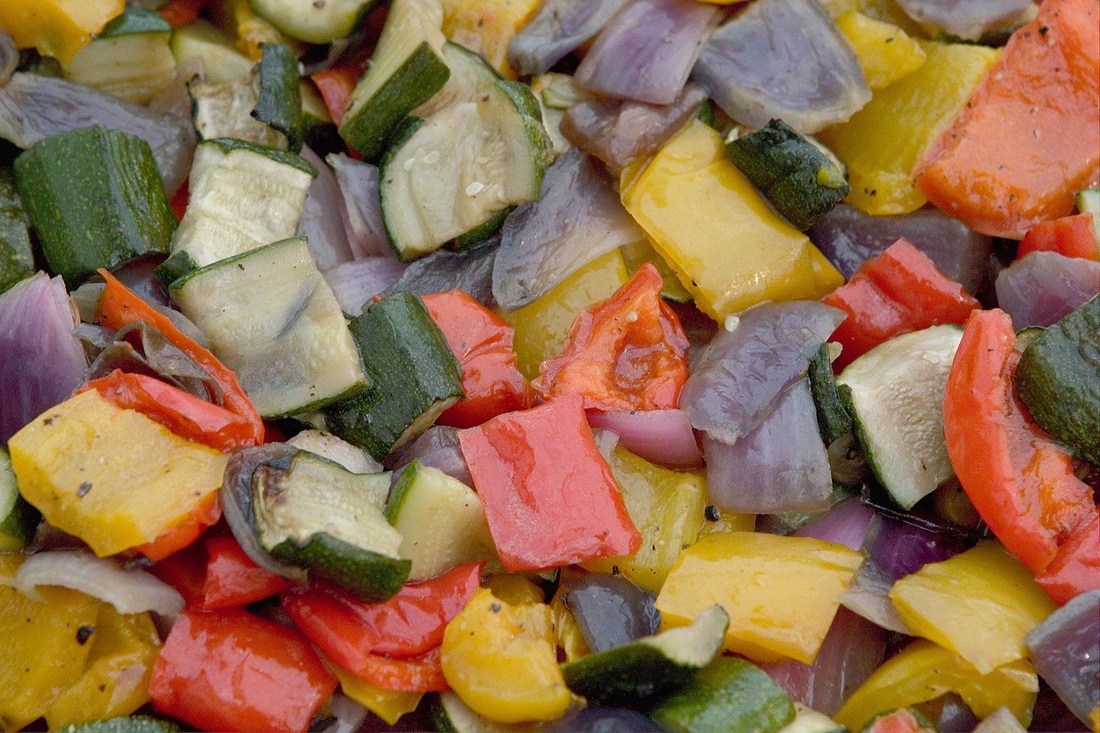
If you have tried marinating roasted vegetables and have been disappointed in the flavor, you probably made the common mistake of marinating them before you roasted them. Unlike meats, which are tenderized and flavored by steeping in marinade before they are cooked, veggies do best if they are roasted first and marinated afterward. The roasting process softens the veggies making it easy for the marinade to penetrate the flesh and work its magic.

Choose a Marinade

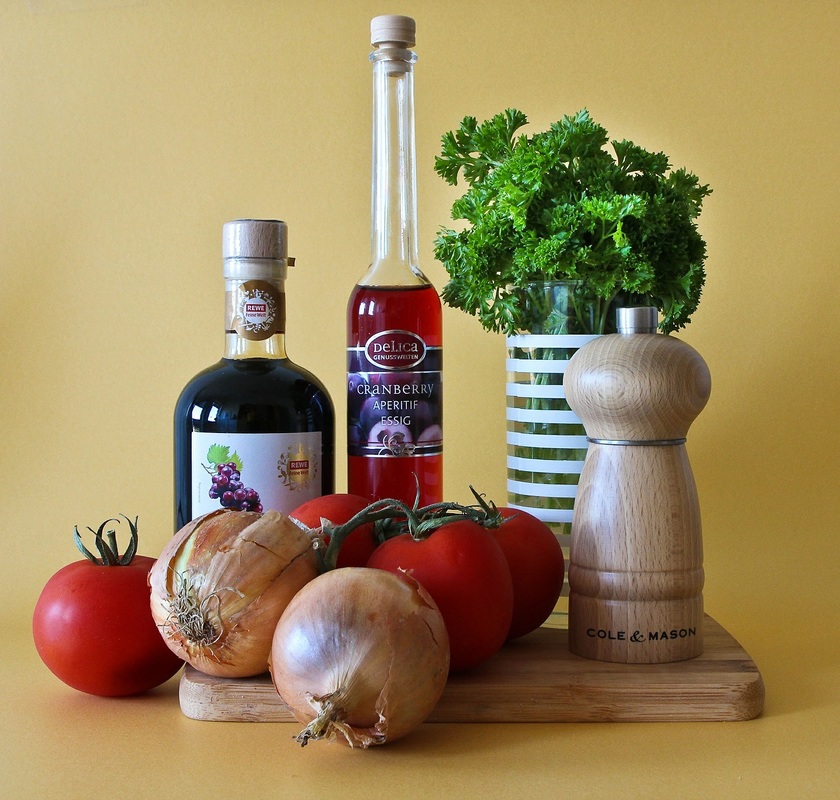
There are many commercial marinades available in the grocery store, but you don’t need to buy marinade. You can make your own and tailor it to your individual taste.  Marinades are made from acidic liquids, such as lemon juice, vinegar, or wine and oil.  Herbs and spices are added for flavor.

How to Make Your Own Marinate

The secret to making your own marinade lies in the ratio of oil to acidic liquid. You will need twice as much oil as vinegar or wine when making a marinade. You can then add minced onions, crushed garlic and fresh or dried herbs to the mixture to create your signature flavor. Set the marinade aside, as you will use it after roasting the vegetables.
marinade

Prepare the Veggies for Oven Roasting

Picture
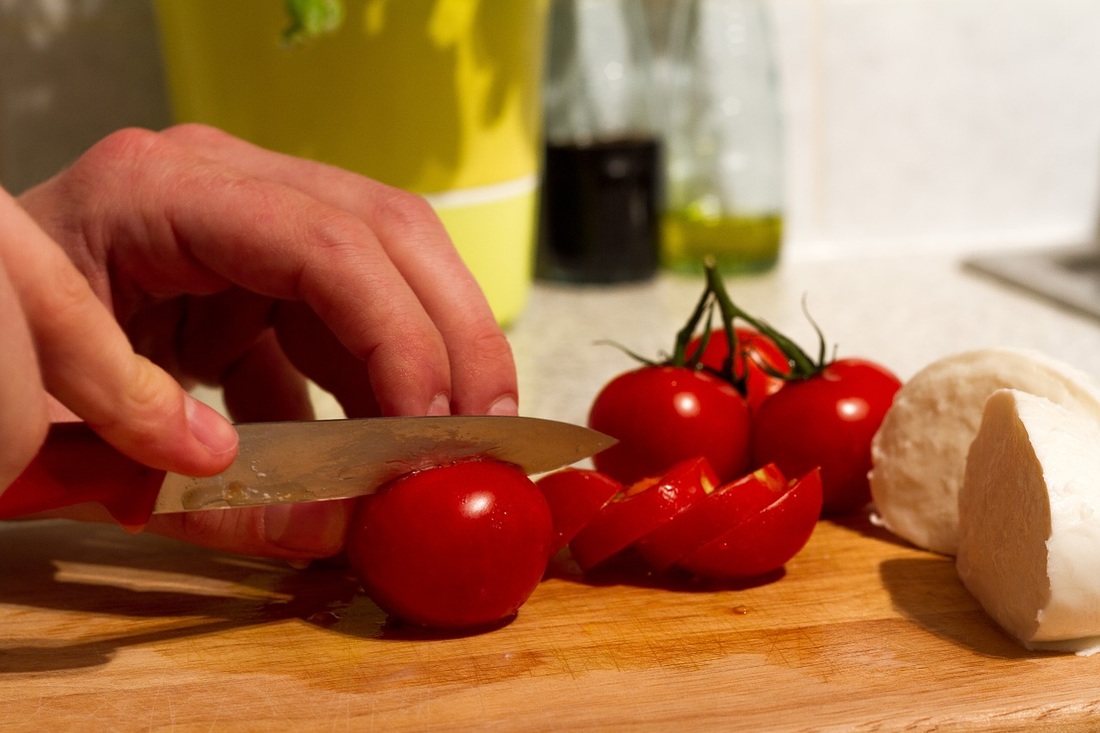
Wash and pare the veggies and cut them in bite size pieces. If you are roasting several vegetables together, cut the harder veggies (like carrots) into smaller pieces so that they will all cook in the same amount of time. Alternately, add softer veggies, like tomatoes, peppers and mushrooms during the last 10 minutes of roasting.

Coat the Veggies with Oil

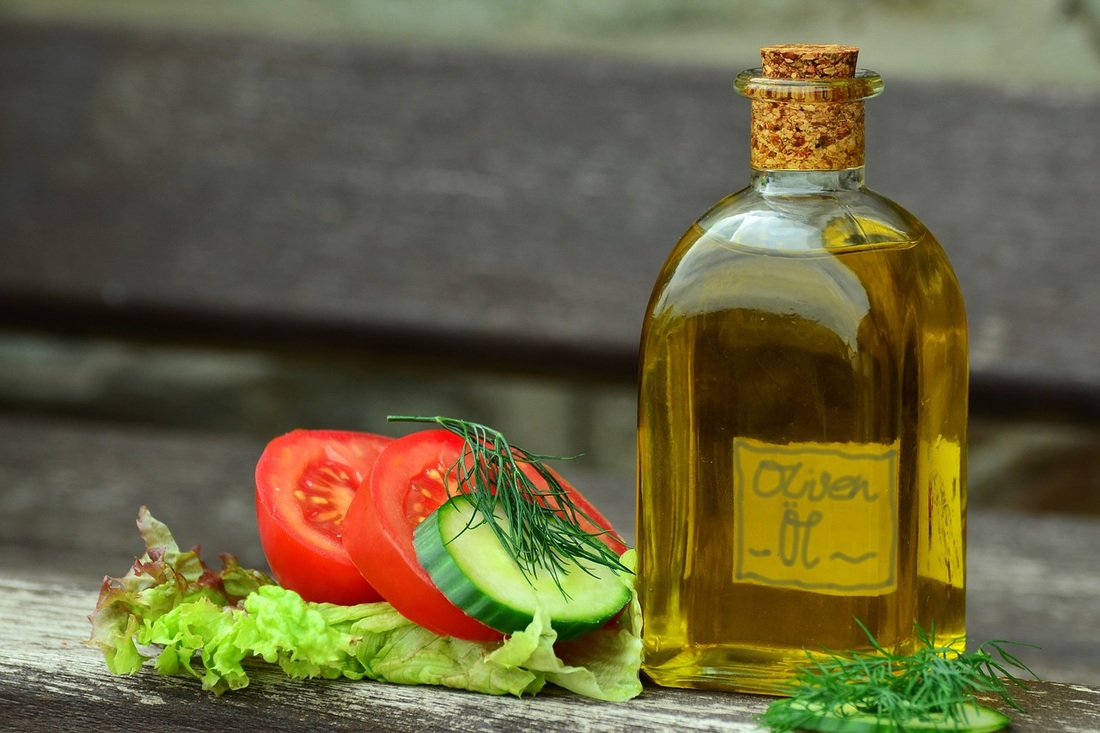
Even though you have oil in your marinade, you also need to coat them in a light layer of oil before roasting them. The oil seals in moisture and keeps your vegetables from drying out during roasting. It also encourages caramelization as the starches and sugars in the veggies break down during cooking and combine with the oil to create golden brown veggies brimming with flavor. This brings out the natural sweetness of your vegetables.

Picture

Roast the Vegetables

Picture
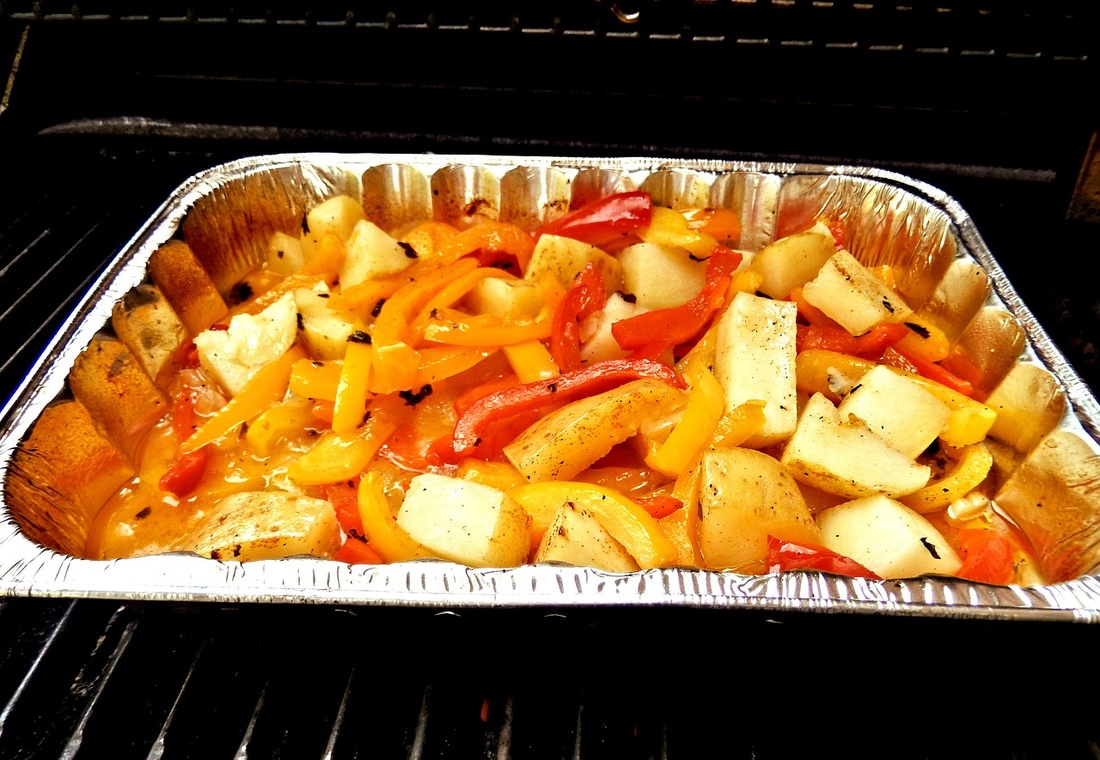
Place the vegetables in a large baking pan and spread them out over the bottom. Roast them in a 450-degree (F) oven for approximately 20 to 30 minutes or until the veggies are fork tender. Stir or turn the veggies when the bottoms begin to brown to ensure even browning. Remove quick-cooking veggies when they are done and allow the others to continue roasting.

Marinate the Roasted Vegetables

Pour the roasted vegetables into a glass or plastic bowl. Metal containers may react with the marinade and cause off colors or flavors.  Pour your marinade over the vegetables and stir to make sure all sections are coated with the marinade. Allow them to steep in the marinade for at least one hour.

Picture

Reheat Marinated Vegetables Before Serving
Picture
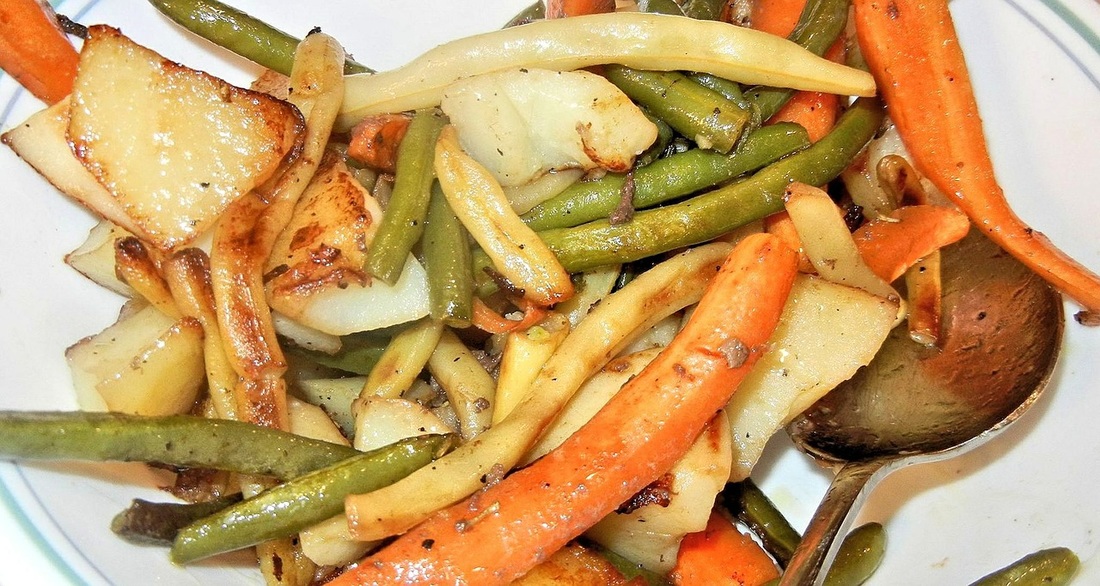
Pour off any excess marinade and reheat the veggies in the oven or on the grill. Serve with meat or poultry or make the veggies the main course. You can also serve the veggies cold as a side dish or for a quick lunch on hot summer days.

Copyright © 2014 Nannette Richford


  • Home
  • Garden Thyme Blog
  • Themes
    • Butterfly Gardens
    • Moon Gardens
    • Sensory Gardens
    • All About Fairies
  • Flowers
    • Annual Flowers >
      • Alyssum
      • Cosmos
      • Geraniums
      • Marigolds
      • Morning Glories
      • Nasturtiums
      • Petunias >
        • Reviving Petunias
      • Snapdragons
      • Sunflowers
      • Sweet Peas
      • Zinnias
    • Perennial Flowers >
      • Golden Glow (Rudbeckia laciniata ‘Hortensia’)
      • Coneflowers
      • Lupines
      • Purple Coneflower (Echinacea Purpurea)
    • Maine Wildflowers
  • Veggies
    • Warm Season Vegetables >
      • About Beans >
        • Growing Beans
        • Growing Pole Beans
        • How to Make a Teepee Trellis
      • About Corn >
        • Growing Corn
        • What is Baby Corn, anyway?
        • Can you grow corn in containers?
      • Cucumbers >
        • Grow a cucumber in a bottle
        • Growing Pickling Cucumbers
        • Growing cucamelons (Mexican Gherkin)
        • Why do cucumbers blossom but fail to set fruit?
        • Trellising Cucumbers
        • Making Cucumber Relish
        • Powdery Mildew on Cucumbers
      • Melons
      • Peppers >
        • Growing Peppers
      • Squash >
        • Growing Zucchini
        • Spaghetti Squash
      • Tomatoes >
        • How to Harden Off Tomato Plants
        • How (and when) to Prune Tomatoes
        • Magnesium Sulfate (Epsom Salt) for Tomatoes
        • Blossom End Rot in Tomatoes
        • Growing Cherry Tomatoes in Hanging Baskets
        • 4 Best Tomatoes for Short Seasons - Early Tomatoes
        • 5 Early Maturing Tomatoes for Short Season Gardening
        • How to Ripen Green Tomatoes
        • How to Make Sun-Dried Tomatoes at Home
        • How to Grow a Pomato Plant
    • Cool Season Vegetables >
      • Cole Crops
      • Greens >
        • How to Grow Spinach
        • How to Grow Malabar Spinach
        • How to Grow Swiss Chard
        • Harvesting and Cooking Beet Greens
        • How to Grow Microgreens
      • Onions & Garlic >
        • How to Grow Garlic
        • How to Grow Onions
      • Peas >
        • Growing Garden (shelling) Peas
        • Growing Sugar Snap Peas
      • Potatoes >
        • How to Grow Potatoes in Containers
        • How to Grow Potatoes in Hay Bales
      • Root Crops >
        • Growing Beets
        • How to Grow Carrots
        • Turnips vs Rutabagas
  • Herbs
    • Growing Basil
    • Growing Chives
    • Growing Lavender
    • Herbal Tea Garden
    • How to Grow a Culinary Herb Garden
    • How to Grow Herbs in Sponges
    • Colonial Herb Garden - Classroom Project
    • Herbed Butter
    • Making Herbed Oils
  • Gardening Basics
    • Seed starting on a budget
    • Seed Starting Basics
    • Grafting Basics
    • Soil >
      • Starting a New Garden
      • How to Prepare Soil
      • How to Test Soil Drainage
      • What Type of Soil Do You Have
      • Soil Mix Recipe for Containers
      • How to Make Compost Tea
      • How to Use Mulch
  • Garden Pests
    • How to Control Japanese Beetles
    • How to Control Blister Beetles
    • How to Get Rid of Colorado Potato Beetles
  • Birds
    • Hummingbirds >
      • DIY Hummingbird Feeders from Recycled Bottles
      • Annuals for Hummingbird Gardens
      • Perennials for Hummingbird Gardens
    • About Birdseed
    • Choosing a Birdfeeder
  • Fiddleheads and Fairies
  • About Us
  • Contact Us
  • How to Marinate Roasted Vegetables