Maine Garden Ideas
  • Home
  • Garden Thyme Blog
  • Themes
    • Butterfly Gardens
    • Moon Gardens
    • Sensory Gardens
    • All About Fairies
  • Flowers
    • Annual Flowers >
      • Alyssum
      • Cosmos
      • Geraniums
      • Marigolds
      • Morning Glories
      • Nasturtiums
      • Petunias >
        • Reviving Petunias
      • Snapdragons
      • Sunflowers
      • Sweet Peas
      • Zinnias
    • Perennial Flowers >
      • Golden Glow (Rudbeckia laciniata ‘Hortensia’)
      • Coneflowers
      • Lupines
      • Purple Coneflower (Echinacea Purpurea)
    • Maine Wildflowers
  • Veggies
    • Warm Season Vegetables >
      • About Beans >
        • Growing Beans
        • Growing Pole Beans
        • How to Make a Teepee Trellis
      • About Corn >
        • Growing Corn
        • What is Baby Corn, anyway?
        • Can you grow corn in containers?
      • Cucumbers >
        • Grow a cucumber in a bottle
        • Growing Pickling Cucumbers
        • Growing cucamelons (Mexican Gherkin)
        • Why do cucumbers blossom but fail to set fruit?
        • Trellising Cucumbers
        • Making Cucumber Relish
        • Powdery Mildew on Cucumbers
      • Melons
      • Peppers >
        • Growing Peppers
      • Squash >
        • Growing Zucchini
        • Spaghetti Squash
      • Tomatoes >
        • How to Harden Off Tomato Plants
        • How (and when) to Prune Tomatoes
        • Magnesium Sulfate (Epsom Salt) for Tomatoes
        • Blossom End Rot in Tomatoes
        • Growing Cherry Tomatoes in Hanging Baskets
        • 4 Best Tomatoes for Short Seasons - Early Tomatoes
        • 5 Early Maturing Tomatoes for Short Season Gardening
        • How to Ripen Green Tomatoes
        • How to Make Sun-Dried Tomatoes at Home
        • How to Grow a Pomato Plant
    • Cool Season Vegetables >
      • Cole Crops
      • Greens >
        • How to Grow Spinach
        • How to Grow Malabar Spinach
        • How to Grow Swiss Chard
        • Harvesting and Cooking Beet Greens
        • How to Grow Microgreens
      • Onions & Garlic >
        • How to Grow Garlic
        • How to Grow Onions
      • Peas >
        • Growing Garden (shelling) Peas
        • Growing Sugar Snap Peas
      • Potatoes >
        • How to Grow Potatoes in Containers
        • How to Grow Potatoes in Hay Bales
      • Root Crops >
        • Growing Beets
        • How to Grow Carrots
        • Turnips vs Rutabagas
  • Herbs
    • Growing Basil
    • Growing Chives
    • Growing Lavender
    • Herbal Tea Garden
    • How to Grow a Culinary Herb Garden
    • How to Grow Herbs in Sponges
    • Colonial Herb Garden - Classroom Project
    • Herbed Butter
    • Making Herbed Oils
  • Gardening Basics
    • Seed starting on a budget
    • Seed Starting Basics
    • Grafting Basics
    • Soil >
      • Starting a New Garden
      • How to Prepare Soil
      • How to Test Soil Drainage
      • What Type of Soil Do You Have
      • Soil Mix Recipe for Containers
      • How to Make Compost Tea
      • How to Use Mulch
  • Garden Pests
    • How to Control Japanese Beetles
    • How to Control Blister Beetles
    • How to Get Rid of Colorado Potato Beetles
  • Birds
    • Hummingbirds >
      • DIY Hummingbird Feeders from Recycled Bottles
      • Annuals for Hummingbird Gardens
      • Perennials for Hummingbird Gardens
    • About Birdseed
    • Choosing a Birdfeeder
  • Fiddleheads and Fairies
  • About Us
  • Contact Us
  • How to Marinate Roasted Vegetables

How to Use Mulch in the Garden
Picture
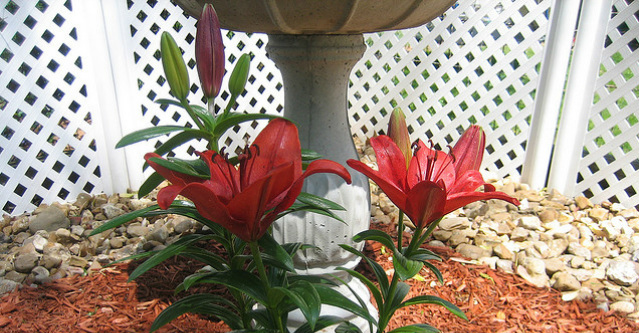
If you are new to gardening, you have probably heard other gardeners talking about mulching and have likely seen those big bags of decorative mulch for sale in the home improvement center. If you are anything like I was when I first started gardening, you may be wondering exactly how you use mulch in the garden. That, of course, depends on what you are growing and the purpose of the mulch. For ornamental or specimen plants, those bags of decorative mulch can enhance their appearance, reduce weeds and retain moisture, but when it comes to the vegetable garden, there are better choices for mulching.

Choosing the right mulch for your garden vegetables reduces the amount of time spent on weeding and cultivating, reduces the need for supplemental watering and helps to maintain consistent soil temperatures. The type of mulch you use, depends on the plants you are growing and your personal preferences.

​Different Types of Mulch: Organic vs. Inorganic

Organic Mulch

  • Organic mulch refers to mulch that is made from plant materials and includes grass clippings, hay or straw, leaf mold, pine needles, or wood chips.
  • ​Organic mulch breaks down over time and enriches your soil. Organic mulch needs to be replaced frequently.
  • ​Organic mulch typically keeps soil cool, retains moisture and suppresses weeds.

Inorganic Mulch

  • Inorganic mulch is produced from man-made or non-organic material. This includes landscape fabric, plastic, rubber tires, shells, or stone.
  • Inorganic mulch lasts longer and does not need to be replaced every year like organic mulch does.
  • Inorganic mulch retains moisture and suppresses weeds, but it also tends to keep the soil warm.


How to Select the Right Mulch for Your Garden

Selecting the right mulch for your garden depends on the types of plants you are growing. Mulch suitable for cool-season vegetables might keep the roots too cold for warm-season plants. Similarly, mulch that warms the soil might not work for cool-season vegetables that thrive in cooler root temperatures.  Additionally, trees, shrubs, and ornamentals require different types of mulch compared to your vegetable garden.

Mulching Cool Season Vegetables

Picture
Grass Clippings
Many gardeners prefer to use grass clippings to mulch the area under cool-season crops such as peas, broccoli, onions, and carrots. Not only is it readily available and free, grass clippings keep the soil cool and protect cool-season crops from the negative effects warm soil has on their roots. It should be noted that decaying grass clippings can temporarily reduce the amount of nitrogen in the soil, but I've never had an issue with it.
Leaves
Chopped leaves make effective organic mulch and add organic matter to the soil. Layer leaves two to three inches thick to retain moisture and reduce weeds. Unchopped leaves may clump and become a slimy mass. Run leaves through a mulcher or let them begin to decompose before adding them to the garden as mulch.

Mulching Warm Season Vegetables

Picture
Black or Red Plastic
Black or red plastic is often used under tomatoes and peppers and may even increase yields. Plastic draws the heat of the sun and keeps the soil warm. It is particularly useful in northern gardens where soil temperatures may be too low for optimum growth in tomatoes or peppers.

Whiles the sheets of black or red plastic keep the soil warm and prevent evaporation from the soil, they typically prevent water from reaching the roots when it rains. You can solve this issue by watering deeply through the hole around the base of the plant, or even punch holes in the plastic with the tines of garden or pitchfork.
Landscape Fabric
Like plastic, landscape fabric can be used under warm season veggies as it also helps to warm the soil. Landscape fabric has tiny holes to allow water to drain through it when it rains. Quality landscape fabric can be removed in the fall and can sometimes be reused for another year or two. But beware, cheap landscape fabric — you know the one you bought for a song and dance — may rip and tear before the season is through. I even bought one that stretched and ripped (yep, it was some sort of plastic) every time I walked on it. 

Mulching Trees, Shrubs, & Ornamentals

Picture
Pine Needles, Bark and Wood Chips
Although pine needles and wood products work well as a mulch for ornamental plants, trees and shrubs, they are not recommended for vegetable gardens. As wood products and pine needles decompose, they tie up nitrogen in the soil and increase acidity.
Inorganic Mulch
Inorganic mulches, like crushed rock, shells, or rubber mulch made from tires can add beauty to your landscape and will last for years to come. These mulches help to suppress weeds and keep the soil moist, but they do not decompose. They are best used as permanent mulches in established flower beds or around trees and shrubs.

Mulching for Winter Protection

Picture
Perennial flowers, herbs and fruits often benefit from a layer of mulch in the fall to prevent root damage during cold winters. Straw, hay, or even evergreen boughs can be used to protect your perennials. While straw is preferred and may offer slightly more protection, hay can be used as well. But, beware, hay contains seeds that will sprout and grow the following year leaving you with plenty of weeds to contend with. If straw is readily available in your area, by all means use it. However, if you live in an area like I do where straw is hard to come by, don't worry if you need to use hay. My strawberries survive just fine with a layer of hay over them, but they do require weeding in the spring.
Copyright © 2014 Nannette Richford


  • Home
  • Garden Thyme Blog
  • Themes
    • Butterfly Gardens
    • Moon Gardens
    • Sensory Gardens
    • All About Fairies
  • Flowers
    • Annual Flowers >
      • Alyssum
      • Cosmos
      • Geraniums
      • Marigolds
      • Morning Glories
      • Nasturtiums
      • Petunias >
        • Reviving Petunias
      • Snapdragons
      • Sunflowers
      • Sweet Peas
      • Zinnias
    • Perennial Flowers >
      • Golden Glow (Rudbeckia laciniata ‘Hortensia’)
      • Coneflowers
      • Lupines
      • Purple Coneflower (Echinacea Purpurea)
    • Maine Wildflowers
  • Veggies
    • Warm Season Vegetables >
      • About Beans >
        • Growing Beans
        • Growing Pole Beans
        • How to Make a Teepee Trellis
      • About Corn >
        • Growing Corn
        • What is Baby Corn, anyway?
        • Can you grow corn in containers?
      • Cucumbers >
        • Grow a cucumber in a bottle
        • Growing Pickling Cucumbers
        • Growing cucamelons (Mexican Gherkin)
        • Why do cucumbers blossom but fail to set fruit?
        • Trellising Cucumbers
        • Making Cucumber Relish
        • Powdery Mildew on Cucumbers
      • Melons
      • Peppers >
        • Growing Peppers
      • Squash >
        • Growing Zucchini
        • Spaghetti Squash
      • Tomatoes >
        • How to Harden Off Tomato Plants
        • How (and when) to Prune Tomatoes
        • Magnesium Sulfate (Epsom Salt) for Tomatoes
        • Blossom End Rot in Tomatoes
        • Growing Cherry Tomatoes in Hanging Baskets
        • 4 Best Tomatoes for Short Seasons - Early Tomatoes
        • 5 Early Maturing Tomatoes for Short Season Gardening
        • How to Ripen Green Tomatoes
        • How to Make Sun-Dried Tomatoes at Home
        • How to Grow a Pomato Plant
    • Cool Season Vegetables >
      • Cole Crops
      • Greens >
        • How to Grow Spinach
        • How to Grow Malabar Spinach
        • How to Grow Swiss Chard
        • Harvesting and Cooking Beet Greens
        • How to Grow Microgreens
      • Onions & Garlic >
        • How to Grow Garlic
        • How to Grow Onions
      • Peas >
        • Growing Garden (shelling) Peas
        • Growing Sugar Snap Peas
      • Potatoes >
        • How to Grow Potatoes in Containers
        • How to Grow Potatoes in Hay Bales
      • Root Crops >
        • Growing Beets
        • How to Grow Carrots
        • Turnips vs Rutabagas
  • Herbs
    • Growing Basil
    • Growing Chives
    • Growing Lavender
    • Herbal Tea Garden
    • How to Grow a Culinary Herb Garden
    • How to Grow Herbs in Sponges
    • Colonial Herb Garden - Classroom Project
    • Herbed Butter
    • Making Herbed Oils
  • Gardening Basics
    • Seed starting on a budget
    • Seed Starting Basics
    • Grafting Basics
    • Soil >
      • Starting a New Garden
      • How to Prepare Soil
      • How to Test Soil Drainage
      • What Type of Soil Do You Have
      • Soil Mix Recipe for Containers
      • How to Make Compost Tea
      • How to Use Mulch
  • Garden Pests
    • How to Control Japanese Beetles
    • How to Control Blister Beetles
    • How to Get Rid of Colorado Potato Beetles
  • Birds
    • Hummingbirds >
      • DIY Hummingbird Feeders from Recycled Bottles
      • Annuals for Hummingbird Gardens
      • Perennials for Hummingbird Gardens
    • About Birdseed
    • Choosing a Birdfeeder
  • Fiddleheads and Fairies
  • About Us
  • Contact Us
  • How to Marinate Roasted Vegetables