Maine Garden Ideas
  • Home
  • Garden Thyme Blog
  • Themes
    • Butterfly Gardens
    • Moon Gardens
    • Sensory Gardens
    • All About Fairies
  • Flowers
    • Annual Flowers >
      • Alyssum
      • Cosmos
      • Geraniums
      • Marigolds
      • Morning Glories
      • Nasturtiums
      • Petunias >
        • Reviving Petunias
      • Snapdragons
      • Sunflowers
      • Sweet Peas
      • Zinnias
    • Perennial Flowers >
      • Golden Glow (Rudbeckia laciniata ‘Hortensia’)
      • Coneflowers
      • Lupines
      • Purple Coneflower (Echinacea Purpurea)
    • Maine Wildflowers
  • Veggies
    • Warm Season Vegetables >
      • About Beans >
        • Growing Beans
        • Growing Pole Beans
        • How to Make a Teepee Trellis
      • About Corn >
        • Growing Corn
        • What is Baby Corn, anyway?
        • Can you grow corn in containers?
      • Cucumbers >
        • Grow a cucumber in a bottle
        • Growing Pickling Cucumbers
        • Growing cucamelons (Mexican Gherkin)
        • Why do cucumbers blossom but fail to set fruit?
        • Trellising Cucumbers
        • Making Cucumber Relish
        • Powdery Mildew on Cucumbers
      • Melons
      • Peppers >
        • Growing Peppers
      • Squash >
        • Growing Zucchini
        • Spaghetti Squash
      • Tomatoes >
        • How to Harden Off Tomato Plants
        • How (and when) to Prune Tomatoes
        • Magnesium Sulfate (Epsom Salt) for Tomatoes
        • Blossom End Rot in Tomatoes
        • Growing Cherry Tomatoes in Hanging Baskets
        • 4 Best Tomatoes for Short Seasons - Early Tomatoes
        • 5 Early Maturing Tomatoes for Short Season Gardening
        • How to Ripen Green Tomatoes
        • How to Make Sun-Dried Tomatoes at Home
        • How to Grow a Pomato Plant
    • Cool Season Vegetables >
      • Cole Crops
      • Greens >
        • How to Grow Spinach
        • How to Grow Malabar Spinach
        • How to Grow Swiss Chard
        • Harvesting and Cooking Beet Greens
        • How to Grow Microgreens
      • Onions & Garlic >
        • How to Grow Garlic
        • How to Grow Onions
      • Peas >
        • Growing Garden (shelling) Peas
        • Growing Sugar Snap Peas
      • Potatoes >
        • How to Grow Potatoes in Containers
        • How to Grow Potatoes in Hay Bales
      • Root Crops >
        • Growing Beets
        • How to Grow Carrots
        • Turnips vs Rutabagas
  • Herbs
    • Growing Basil
    • Growing Chives
    • Growing Lavender
    • Herbal Tea Garden
    • How to Grow a Culinary Herb Garden
    • How to Grow Herbs in Sponges
    • Colonial Herb Garden - Classroom Project
    • Herbed Butter
    • Making Herbed Oils
  • Gardening Basics
    • Seed starting on a budget
    • Seed Starting Basics
    • Grafting Basics
    • Soil >
      • Starting a New Garden
      • How to Prepare Soil
      • How to Test Soil Drainage
      • What Type of Soil Do You Have
      • Soil Mix Recipe for Containers
      • How to Make Compost Tea
      • How to Use Mulch
  • Garden Pests
    • How to Control Japanese Beetles
    • How to Control Blister Beetles
    • How to Get Rid of Colorado Potato Beetles
  • Birds
    • Hummingbirds >
      • DIY Hummingbird Feeders from Recycled Bottles
      • Annuals for Hummingbird Gardens
      • Perennials for Hummingbird Gardens
    • About Birdseed
    • Choosing a Birdfeeder
  • Fiddleheads and Fairies
  • About Us
  • Contact Us
  • How to Marinate Roasted Vegetables

Garden Thyme Blog 

Come on in, kick off your shoes, and get ready to sit for a spell.
Contact Me

Blue Flowers for Shade — Baby Blue Eyes (nemophila)

6/10/2023

1 Comment

 
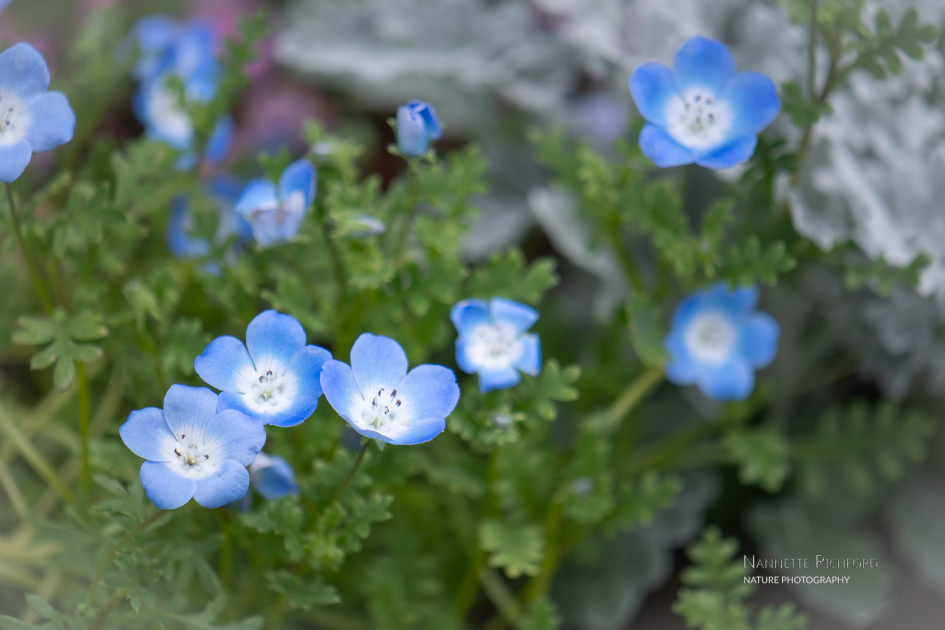
Baby Blue Eyes
I have always loved blue flowers and decided to try these delightful little Baby Blue Eyes (nemophila) this year. I started them from seed inside and grew them in my greenhouse until time to set them outside.
Baby Blue Eyes are also known as California Blue Bells. While they grow wild as perennials in California and the west coast, they can be grown as annuals throughout the US. 
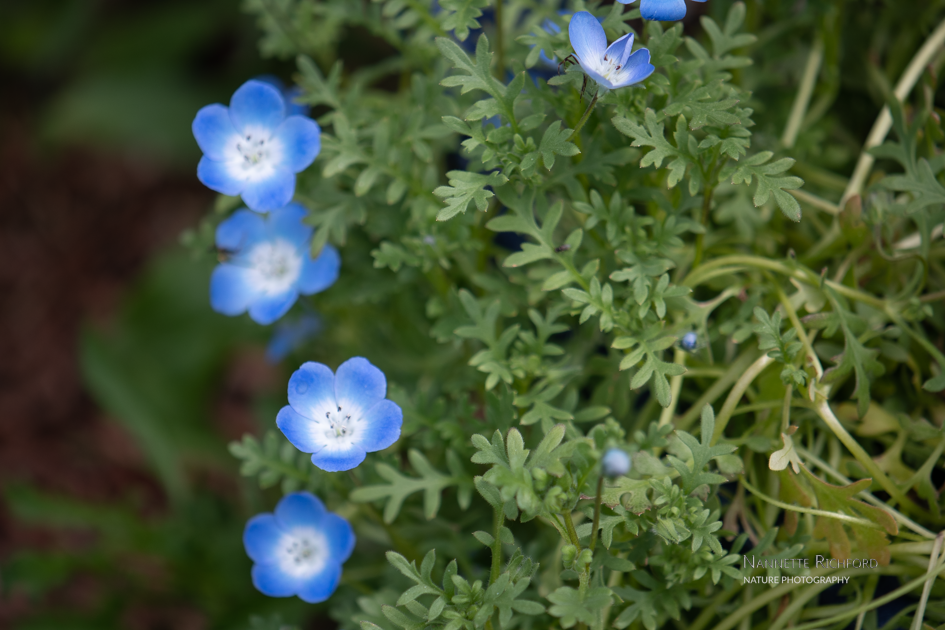
Baby Blue Eyes
Each bloom is about an inch across and a soft blue with a white center.
The foliage is frilly and attractive making this flower ideal for adding both color and texture to the flowerbed.
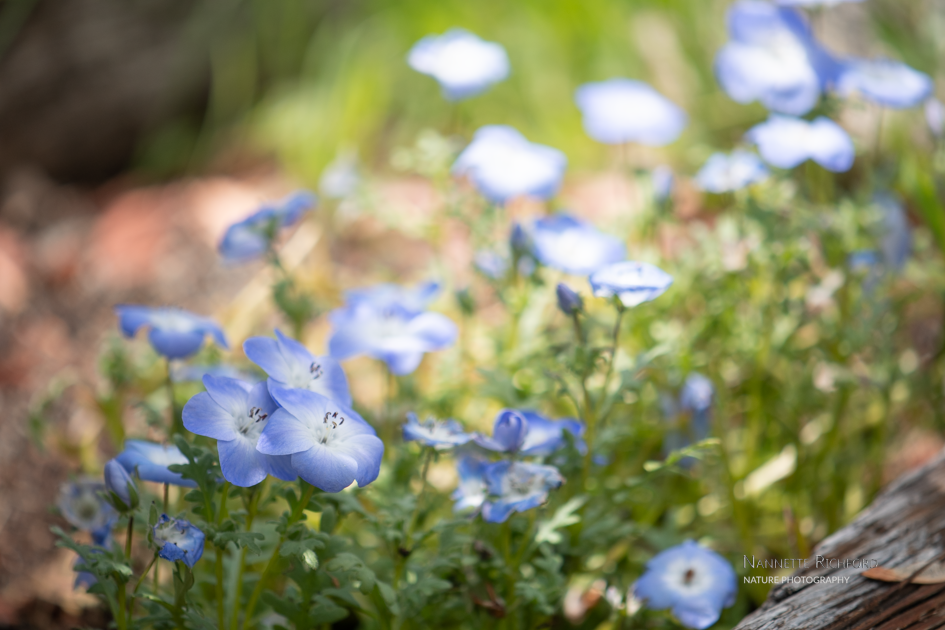
baby Blue Eyes
Baby Blue Eyes prefer partial shade.

What light to Baby Blues Need?

Baby Blue Eyes prefer partial shade but will grow in sun as long as they are watered sufficiently.  With my experience growing them in the greenhouse I can attest that they were one of the quickest flowers to wilt on warm days and they absorb water from the soil quickly.
I am growing my Baby Blue Eyes tucked under the foliage of my peonies, as my flowerbeds are all in full sun. So far, they are thriving and seem to enjoy the filtered light.

How long do Baby Blue Eyes Bloom?
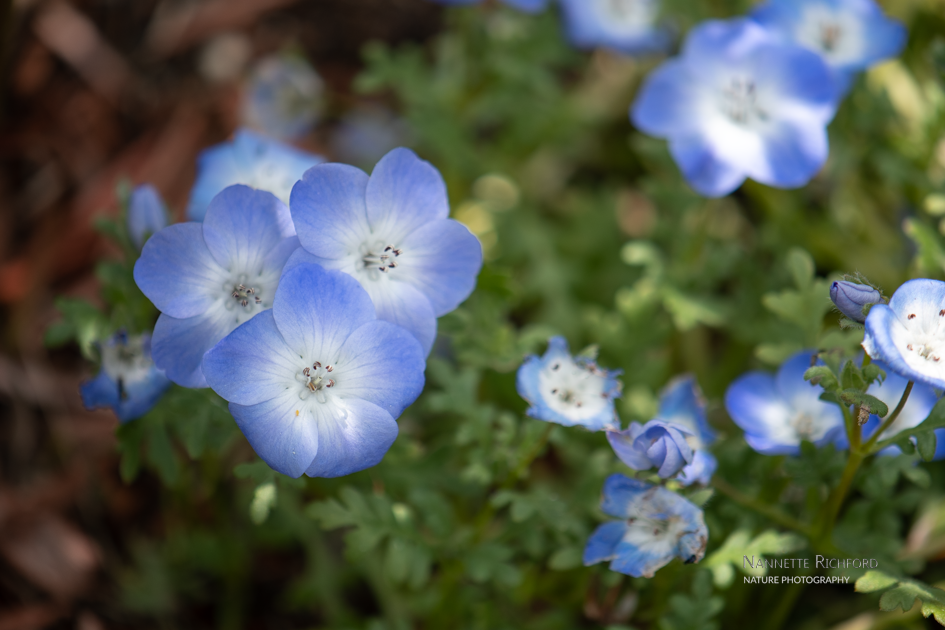
Baby Blue Eyes
Baby Blue Eyes bloom for several weeks in the spring.
Baby Blue Eyes bloom for several weeks in spring and early summer. To extend the season of blooms, I grew seedlings in the greenhouse and planted seeds directly in the soil as soon as the danger of frost had passed.

​It is my hope that this will extend the blooming season well into the summer.

Will Baby Blues Eyes come back the next year?

Baby Blue Eyes are a tender perennial grown as annuals throughout much of the US. According to Silver Falls Seed Company, they can be grown as perennials in USDA plant hardiness zones 7 thru 11.

Colder zones must grow Baby Blue Eyes as an annual. However, Baby Blue Eyes are reported to be prolific self-seeders. I can't attest to that myself yet, as this is my first year growing them here in my Maine garden, but I am hoping it is so.

How did baby blue eyes get their name?
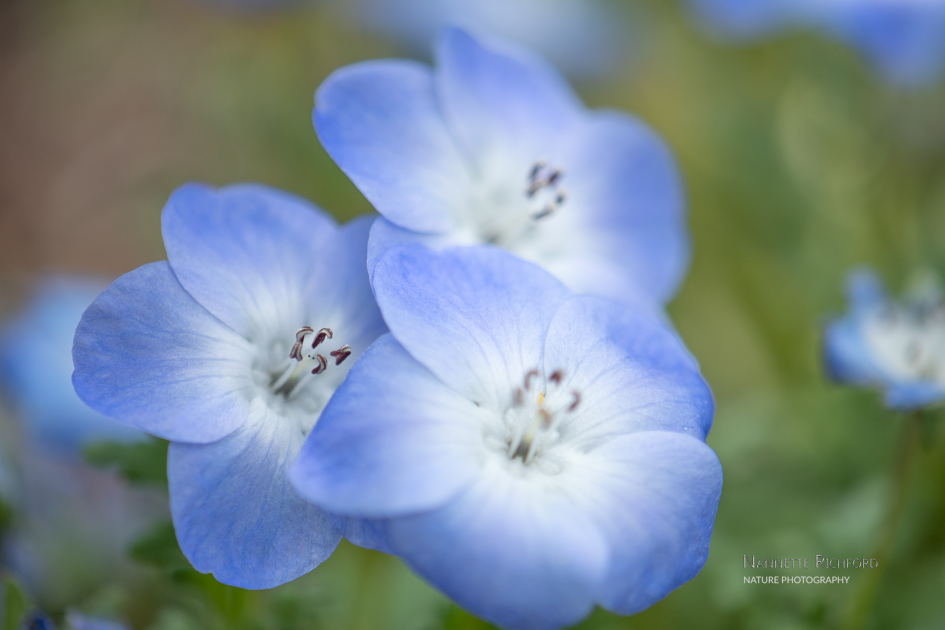
Baby Blue Eyes
Baby Blue Eyes are a baby blue with white eyes.
The common name of Baby Blue Eyes refers to the soft blue with a white eye.  But there is more to the name of this tiny flower than meets the eye.

Nemophila comes from the the Greek words nemos, meaning a wooded pasture and philos meaning loving. Translated, the name nemophila means woodland loving which describes where this flower grows best.

What is the spiritual meaning of Baby Blue Eyes (nemophila)?

Spiritual Meaning Baby Blue Eyes
Baby Blue Eyes are thought to heal or balance the throat chakra.
Baby Blue Eyes are associated with the throat chakra. This chakra represents self-expression and communication. Baby Blue Eyes are thought to heal or balance this chakra leading to improved communication and self-expression. 

Baby Blue Eyes are also known as a symbol of peace, harmony, and tranquility.

If you are seeking new levels of self-expression and improved communication in your life, adding Baby Blue Eyes to your meditation garden, or potting them up in a pot near a seating area where you can rest and enjoy nature may be just the thing for you.

These delicate flowers of heavenly blue are sure to leave you rested and peaceful.

What is the legend of Baby Blue Eyes? 
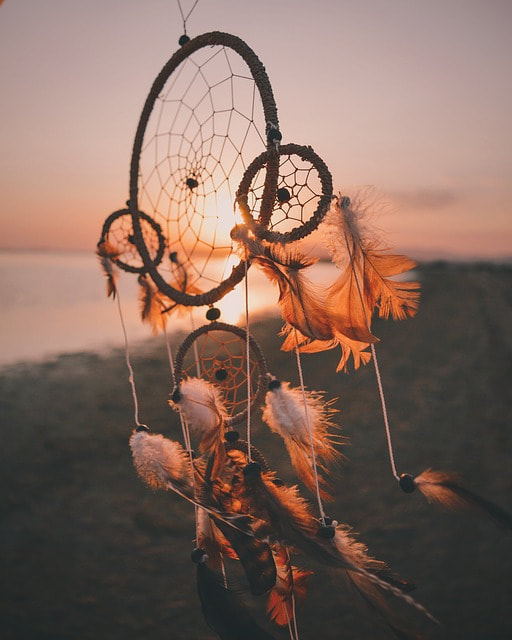
Picture
Baby Blue Eyes (nemophila) are believed to be the guardians of woodlands and forests by several cultural groups. Both the Japanese and the Greeks associated Baby Blues Eyes with the gods (or goddesses) of the wilderness, fields and harvest.

In Native American lore they are thought to bring prosperity and luck.

What do Baby Blue Eyes symbolize?
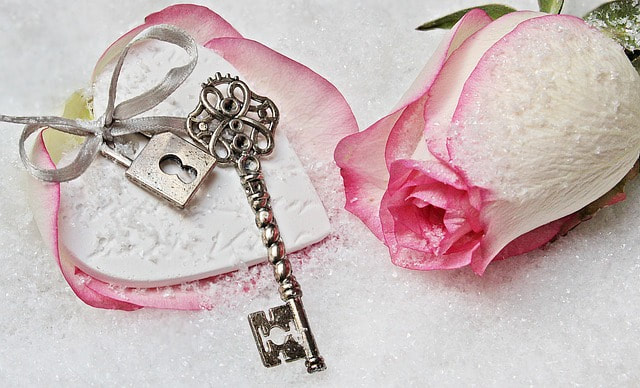
symbolism of Baby Blue Eyes
Baby Blue Eyes symbolize love, romance, purity, and innocence.
In the language of flowers, Baby Blue Eyes symbolize love, romance, purity, and innocence. They are a popular choice for weddings and other special occasions to express love.
1 Comment
Noelani
3/16/2025 11:45:17 am

Where can I buy baby blue eyes from seed to plant here in Waldoboro, Maine?

Reply


Leave a Reply.

    For more nature photography, check out my photography site.
Copyright © 2014 Nannette Richford


Photo from MyArtfulLife
  • Home
  • Garden Thyme Blog
  • Themes
    • Butterfly Gardens
    • Moon Gardens
    • Sensory Gardens
    • All About Fairies
  • Flowers
    • Annual Flowers >
      • Alyssum
      • Cosmos
      • Geraniums
      • Marigolds
      • Morning Glories
      • Nasturtiums
      • Petunias >
        • Reviving Petunias
      • Snapdragons
      • Sunflowers
      • Sweet Peas
      • Zinnias
    • Perennial Flowers >
      • Golden Glow (Rudbeckia laciniata ‘Hortensia’)
      • Coneflowers
      • Lupines
      • Purple Coneflower (Echinacea Purpurea)
    • Maine Wildflowers
  • Veggies
    • Warm Season Vegetables >
      • About Beans >
        • Growing Beans
        • Growing Pole Beans
        • How to Make a Teepee Trellis
      • About Corn >
        • Growing Corn
        • What is Baby Corn, anyway?
        • Can you grow corn in containers?
      • Cucumbers >
        • Grow a cucumber in a bottle
        • Growing Pickling Cucumbers
        • Growing cucamelons (Mexican Gherkin)
        • Why do cucumbers blossom but fail to set fruit?
        • Trellising Cucumbers
        • Making Cucumber Relish
        • Powdery Mildew on Cucumbers
      • Melons
      • Peppers >
        • Growing Peppers
      • Squash >
        • Growing Zucchini
        • Spaghetti Squash
      • Tomatoes >
        • How to Harden Off Tomato Plants
        • How (and when) to Prune Tomatoes
        • Magnesium Sulfate (Epsom Salt) for Tomatoes
        • Blossom End Rot in Tomatoes
        • Growing Cherry Tomatoes in Hanging Baskets
        • 4 Best Tomatoes for Short Seasons - Early Tomatoes
        • 5 Early Maturing Tomatoes for Short Season Gardening
        • How to Ripen Green Tomatoes
        • How to Make Sun-Dried Tomatoes at Home
        • How to Grow a Pomato Plant
    • Cool Season Vegetables >
      • Cole Crops
      • Greens >
        • How to Grow Spinach
        • How to Grow Malabar Spinach
        • How to Grow Swiss Chard
        • Harvesting and Cooking Beet Greens
        • How to Grow Microgreens
      • Onions & Garlic >
        • How to Grow Garlic
        • How to Grow Onions
      • Peas >
        • Growing Garden (shelling) Peas
        • Growing Sugar Snap Peas
      • Potatoes >
        • How to Grow Potatoes in Containers
        • How to Grow Potatoes in Hay Bales
      • Root Crops >
        • Growing Beets
        • How to Grow Carrots
        • Turnips vs Rutabagas
  • Herbs
    • Growing Basil
    • Growing Chives
    • Growing Lavender
    • Herbal Tea Garden
    • How to Grow a Culinary Herb Garden
    • How to Grow Herbs in Sponges
    • Colonial Herb Garden - Classroom Project
    • Herbed Butter
    • Making Herbed Oils
  • Gardening Basics
    • Seed starting on a budget
    • Seed Starting Basics
    • Grafting Basics
    • Soil >
      • Starting a New Garden
      • How to Prepare Soil
      • How to Test Soil Drainage
      • What Type of Soil Do You Have
      • Soil Mix Recipe for Containers
      • How to Make Compost Tea
      • How to Use Mulch
  • Garden Pests
    • How to Control Japanese Beetles
    • How to Control Blister Beetles
    • How to Get Rid of Colorado Potato Beetles
  • Birds
    • Hummingbirds >
      • DIY Hummingbird Feeders from Recycled Bottles
      • Annuals for Hummingbird Gardens
      • Perennials for Hummingbird Gardens
    • About Birdseed
    • Choosing a Birdfeeder
  • Fiddleheads and Fairies
  • About Us
  • Contact Us
  • How to Marinate Roasted Vegetables